Tiffany Lamp Wisteria Pattern
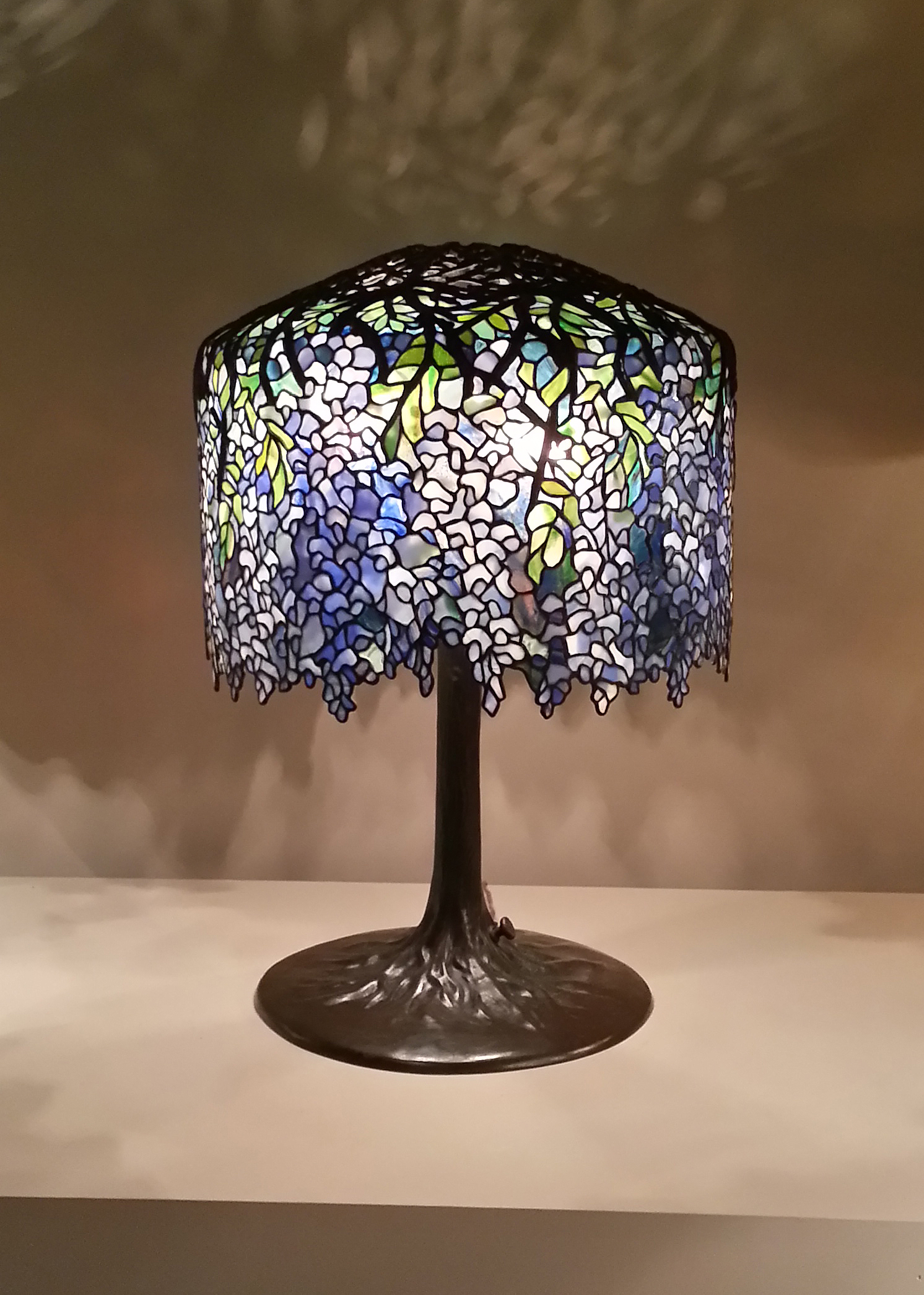
Wikimedia Commons, Tiffany Studios, public domain
It wasn't Louis Comfort Tiffany who designed it. The Wisteria lamp - cascading purple and blue blossoms in leaded glass, perched on a bronze tree-trunk base - was created by Clara Driscoll, head of the Women's Glass Cutting Department at Tiffany Studios. Her role wasn't recognized until 2007, when researchers discovered her letters and diaries. The lamp she designed in 1901 originally retailed for $400 - roughly a year's wages. At Sotheby's in 2013, one sold for $1,565,000.
Quick Value Summary
| Item | Tiffany Studios Wisteria Table Lamp |
| Year | c. 1901–1910 |
| Category | Antiques & Decorative Arts - Art Nouveau |
| Manufacturer | Tiffany Studios, New York |
| Original Retail | ~$400 (c. 1906) |
| Condition Range | |
| Some Restoration / Issues | $200,000 – $400,000 |
| Good Original Condition | $500,000 – $1,000,000 |
| Exceptional Example | $1,000,000 – $1,565,000+ |
| Record Sale | $1,565,000 (Sotheby's New York, December 2013) |
| Rarity | Rare (limited original production; one of Tiffany's rarest designs) |
The Story
Clara Driscoll arrived at Tiffany Studios in the 1890s and quickly became the creative force behind many of the company's most iconic lamp designs. The Wisteria, designed in 1901, was one of her masterpieces. Each shade required hundreds of individually cut glass pieces - in purples, blues, greens, and whites - assembled using the copper-foil technique that Tiffany Studios pioneered.
The Wisteria was one of the most expensive lamps in Tiffany's catalog. At $400, it cost more than most Americans earned in a year. The bronze tree-trunk base, with its root-like feet, was cast separately and paired with the shade. Because each shade was hand-assembled from hundreds of unique glass pieces, no two Wisteria lamps are exactly alike.
Tiffany Studios produced lamps from approximately 1895 to 1930. After the company's closure, Tiffany lamps fell out of fashion for decades. The Art Nouveau aesthetic was considered dated. By the 1960s and '70s, collectors rediscovered them. Prices began climbing. The Wisteria, along with the Dragonfly and Peony designs, became known as the "Big Three" - the most coveted Tiffany lamp patterns.
Only 12 Tiffany lamps total have exceeded $1,000,000 at auction. Approximately 32 more have exceeded $500,000. The Wisteria is consistently among the most frequently appearing high-value lots.
How to Identify It
Key Features
Leaded glass shade with cascading wisteria blossoms
Hundreds of individually cut glass pieces in varying tones of purple, blue, green, and white
Bronze tree-trunk base with root-like feet
Tiffany Studios New York stamp on base and/or shade
Model number stamped on interior rim of shade
Each lamp is essentially unique due to hand assembly
Shade Construction
Authentic Tiffany shades use the copper-foil technique: each glass piece is wrapped in copper foil, then soldered together. The solder lines should show appropriate age patina. The glass itself should show hand-cutting marks and natural color variation.
Base Details
The bronze tree-trunk base should have:
Tiffany Studios New York marking
Consistent patina with age
Correct casting quality - sharp details in the bark texture and root forms
Original wiring (often replaced for safety, which is acceptable)
Value Factors
| Factor | Impact |
|---|---|
| Shade condition | Critical - cracked or replaced glass reduces value significantly |
| Original patina on base | Preferred over polished bronze |
| Provenance / documentation | Adds 10-20% or more |
| Glass color intensity | Richer, more vibrant glass commands premium |
| Shade/base match | Original paired shade and base worth more than mismatched |
Cracked glass: Even small cracks in the shade glass reduce value. Professional restoration is possible but the most discerning collectors want all-original glass.
Repatinated bases: Some owners polish the bronze, removing the original dark patina. The collecting community generally prefers the original, aged patina. Polished bases sell for less.
Authentication & Fakes
Tiffany lamp reproductions are extremely common. Many were produced from the 1960s onward as the Art Nouveau revival created demand.
Tiffany Studios New York stamp must be present on base and ideally shade
Shade model number stamped on interior rim
Glass quality - authentic Tiffany glass has specific characteristics: hand-cutting marks, natural color variation, and appropriate aging
Bronze base patina should be consistent with age (100+ years)
Consult specialists: Philip Chasen Antiques, Christie's, and Sotheby's have dedicated Tiffany lamp experts
Provenance documentation helps enormously at this level
Reproductions may look similar at a glance but differ in glass quality, solder work, and construction details
Where to Sell
Sotheby's - Handles major Tiffany lamp sales (sold the $1.565M Wisteria in 2013)
Christie's - Regular decorative arts auctions including Tiffany
Specialist Tiffany dealers - Philip Chasen Antiques, Lillian Nassau (now closed but alumni dealers active)
Heritage Auctions - Growing decorative arts department
At $200,000+, Tiffany lamps belong at major auction houses. The global buyer pool for these pieces is best reached through established auction channels.
Not sure about your Tiffany lamp? Upload a photo to Curio Comp for a free AI estimate. Upload a photo →
Common Questions
How much is a Tiffany Wisteria lamp worth?
$200,000 to $1,565,000+ depending on condition. Examples with some restoration: $200,000 to $400,000. Good original condition: $500,000 to $1,000,000. Exceptional: $1,000,000+.
How do I know if my Tiffany lamp is real?
Check for the Tiffany Studios New York stamp on the base and a model number on the shade's interior rim. The glass should show hand-cutting marks, and the bronze should have age-appropriate patina. Reproductions are common - professional authentication is recommended for any potential Tiffany lamp.
Who really designed the Wisteria?
Clara Driscoll, head of the Women's Glass Cutting Department at Tiffany Studios. Her role was uncovered in 2007. Louis Comfort Tiffany oversaw the studio, but Driscoll was the creative mind behind the Wisteria and many other celebrated designs.
What's the most expensive Tiffany lamp ever sold?
The all-time record for any Tiffany lamp is approximately $3.4 million. The Wisteria pattern record is $1,565,000 (Sotheby's, 2013). Twelve Tiffany lamps total have exceeded $1,000,000 at auction.
Related Items
Have This Item?
Our AI appraisal tool is coming soon. Upload photos, get instant identification and valuation.
Get Appraisal