Are My Old Stamps Worth Anything? How to Tell What You Have
You found a binder of old stamps in the back of your grandmother's closet. Maybe it was tucked behind photo albums, maybe it was sitting in a shoebox with rubber bands around it. Either way, you're holding something that once mattered to someone - and now you're wondering if it matters to collectors, too.
Here's the honest answer.
The Quick Answer
Most old stamps are worth very little - often just a few cents, even if they're over a hundred years old. But a small number of stamps are worth hundreds, thousands, or even millions of dollars. The difference comes down to rarity, condition, printing errors, and historical significance. You can sort out the ordinary from the extraordinary with a little knowledge and a magnifying glass.
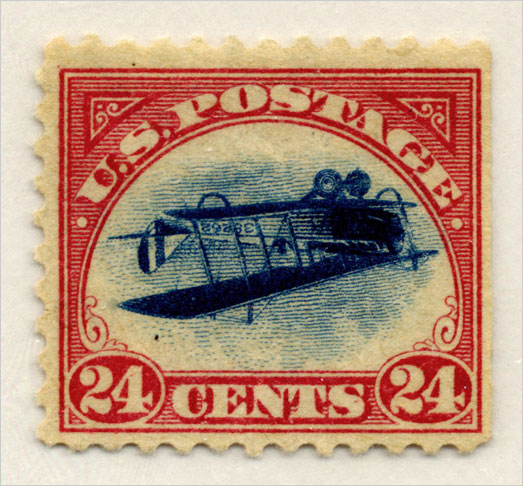
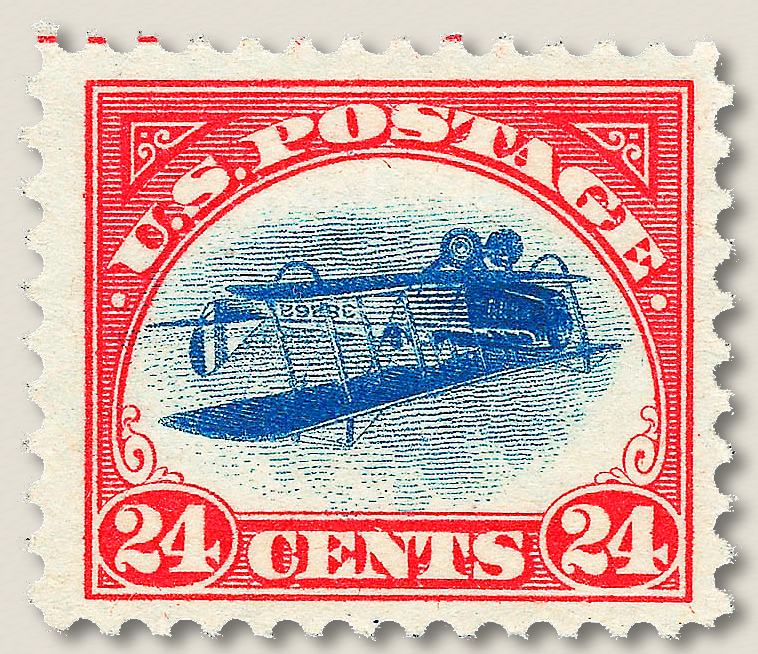
The single most common misconception about stamps? That old automatically means valuable. A stamp from the 1890s might be worth five cents. A stamp from 1918 with an upside-down airplane might be worth over a million dollars. Age alone tells you almost nothing.
Now let's talk about the stamps that could actually be worth real money.
The Most Valuable Stamps You Might Actually Find
Before we get into how to evaluate your collection, here are some of the most sought-after stamps in the world. If anything in your collection looks like one of these, stop and get a professional appraisal.
Inverted Jenny
The Inverted Jenny is the single most famous stamp error in American philately. Printed in 1918 with the Curtis JN-4 airplane accidentally printed upside down, a single copy in good condition can sell for $500,000 to over $1.5 million. Only 100 were ever found. If you spot a 24-cent airmail stamp from 1918 with the plane flying upside down, you may be holding a fortune.
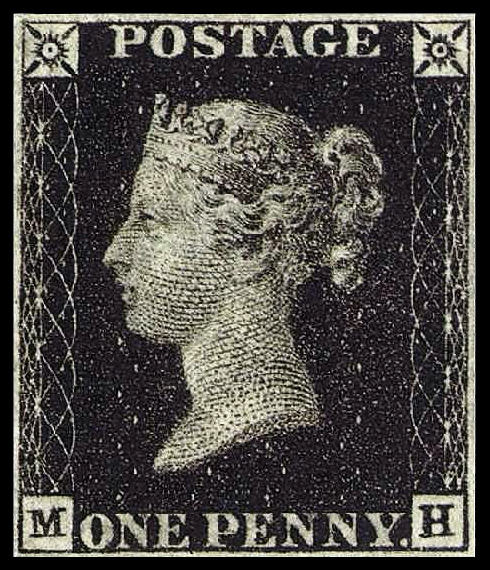
Penny Black
The world's first adhesive postage stamp, issued in Great Britain in 1840. While not as rare as some entries on this list - over 68 million were printed - mint condition examples with full margins and original gum can fetch $5,000 to $50,000 or more. Used examples in decent shape typically sell for $100 to $500, making this one of the more accessible famous stamps.
1918 Jenny Plate Block
A plate block of the Inverted Jenny is exponentially rarer than a single stamp. The most famous plate block of four sold at auction for $4.9 million in 2005. These are true museum-grade rarities.
British Guiana 1c Magenta
Often called the world's rarest stamp, the British Guiana 1c Magenta is a one-of-a-kind item. It last sold at auction in 2021 for $8.3 million. You almost certainly don't have one - only one copy is known to exist - but it's worth knowing what the ceiling looks like in stamp collecting.
Hawaiian Missionaries Stamps
These crude, simple stamps were issued by the Hawaiian Kingdom in 1851-1852 for use on correspondence sent by missionaries. Surviving examples are extremely rare and can sell for $50,000 to $500,000 or more depending on the denomination and condition.
How to Tell If Your Stamps Are Valuable
Step 1: Check the Country and Era
Start by identifying where your stamps are from and roughly when they were issued. U.S. stamps from before 1900 have a better chance of being valuable than those printed after 1940, but there are exceptions in every era. Foreign stamps - especially from countries that no longer exist or underwent political upheaval - can carry surprising value.
Step 2: Look for Errors and Varieties
Printing errors are among the most valuable types of stamps. Look for:
Inverted images - part of the design printed upside down
Color errors - stamps printed in the wrong color
Missing perforations - stamps that should have perforated edges but don't
Double prints - where the image was stamped twice
Even minor varieties that look nearly identical to the standard version can be worth dramatically more. A magnifying glass is essential.
Step 3: Evaluate the Condition
Stamp condition is graded on several factors:
Centering - Is the design centered within the perforations, or off to one side?
Gum condition - For unused stamps, is the original adhesive gum still intact? Never been hinged?
Perforations - Are all the perforations complete and even?
Cancellation - For used stamps, is the cancellation light and clean, or heavy and smudged?
Paper quality - Any tears, thins, creases, or stains?
A mint stamp that has never been hinged (called "never hinged" or NH) is typically worth several times more than an identical stamp that was mounted with a hinge in a collection.
Step 4: Check a Catalogue
The Scott Catalogue is the standard reference for U.S. and worldwide stamps. Each stamp has a catalogue number and an estimated value. Your local library likely has a copy, or you can access digital versions through philatelic society memberships. The catalogue value is a retail estimate - actual selling prices at auction may be higher or lower.
Step 5: Get a Professional Opinion for Anything Promising
If you find stamps that appear rare, old, or unusual, consider sending them to a professional grading service like the Philatelic Foundation or the American Philatelic Expertizing Service (APEX). Expert authentication can dramatically increase a stamp's sale price.
Value Factors for Stamps
Rarity
How many copies were printed, and how many have survived? Some stamps had print runs in the millions but were heavily used and discarded. Others had small print runs and high survival rates. Both the original quantity and the surviving quantity matter.
Condition and Grade
Condition is everything in philately. Two copies of the same stamp can differ in value by a factor of 100 based on centering, gum quality, and overall freshness. Professional grading services assign numeric grades (typically on a 100-point scale) that directly correlate with market value.
Demand and Popularity
Some stamps are rare but obscure - they come from small countries with few dedicated collectors. Others are common but hugely popular due to historical significance or visual appeal. The intersection of rarity and demand is where the highest values live.
Provenance
A stamp that belonged to a famous collection, or one with documented history tracing back to its original purchase, can command a premium. Auction houses love a good story.
Market Trends
The stamp market has shifted over the decades. Certain areas - like classic U.S. stamps and British Commonwealth issues - remain consistently strong. Other markets have cooled. Condition-based collecting (paying premiums for the finest known examples) has become the dominant trend in recent years.
What to Do With Your Stamp Collection
If You Think It's Valuable
- Don't remove stamps from their album pages - this can damage them and reduce value
- Don't try to clean or repair stamps - amateur restoration destroys value
- Get a professional appraisal - contact a member of the American Philatelic Society or a reputable auction house
- Consider auction - major auction houses like Robert A. Siegel, Daniel F. Kelleher, and Harmer's specialize in stamps and can maximize your return
If It's a Modest Collection
Most inherited stamp collections fall into this category. The stamps are interesting but not particularly rare or valuable. You have several options:
Sell to a local dealer - quick and easy, but you'll get wholesale prices (typically 10-30% of catalogue value)
Sell on eBay - more work, but you may get closer to retail value for better items
Donate to a stamp club - many local clubs welcome donations and can provide a tax receipt
Keep and enjoy them - stamp collecting is a rewarding hobby in its own right
Frequently Asked Questions
Are stamps from the 1940s and 1950s worth anything?
Most U.S. stamps from this era were produced in enormous quantities and are worth very little - often just face value or a few cents above. There are exceptions for certain commemorative issues, plate blocks, and error stamps, but the vast majority of mid-century stamps are common.
How do I know if my stamp is rare?
Cross-reference it with the Scott Catalogue using the stamp's design, denomination, color, and perforation gauge. If the catalogue value is high and the stamp appears to match, get a professional authentication. Many "rare" stamps turn out to be common varieties upon close inspection.
Should I remove stamps from old envelopes?
Generally, no. Stamps on their original envelopes (called "covers") can actually be worth more than the same stamps removed. The postmark, destination, and overall envelope can add historical context and value. Only remove stamps if you're certain the cover has no value.
What's the most valuable stamp in the world?
The British Guiana 1c Magenta holds the record, selling for $8.3 million in 2021. Among U.S. stamps, the Inverted Jenny and the 1868 Benjamin Franklin Z-Grill are the most famous rarities.
Are foreign stamps worth collecting?
Absolutely. Many foreign stamps - particularly from Great Britain, China, Japan, and former colonial territories - have strong collector markets. Chinese stamps from the Cultural Revolution era and early British Commonwealth issues are especially sought after.
Can I get stamps appraised online?
Some dealers and auction houses offer preliminary appraisals from photographs. The American Philatelic Society maintains a directory of accredited dealers and expertizing services. For high-value stamps, in-person examination is always recommended.
How should I store valuable stamps?
Use acid-free stock pages or mounts in a quality album. Keep them in a cool, dry environment away from direct sunlight. Never use tape, glue, or paper clips on stamps. For particularly valuable items, consider a safe deposit box.
Last updated: February 2026
Stamps Value Guides
Stamps Value Guides
Explore More Stamps










Want to Know What Your Collection Is Worth?
Our AI appraisal tool is coming soon. Upload photos, get instant identification and valuation.
Get Appraisal