Are My Old Vinyl Records Worth Anything? How to Tell What You Have
You found a crate of old vinyl records in your parents' basement. Maybe they were stacked on a shelf next to a dusty turntable, maybe they were packed away after a move decades ago. The covers are faded, some of the sleeves are split, and you're wondering if this is a pile of garage sale fodder or something more.
Here's the honest answer.
The Quick Answer
Most old vinyl records are worth between $1 and $10. Common pressings of popular albums - even from legendary artists - were produced in the millions and remain plentiful. But certain pressings, particularly original first pressings, limited editions, and rare variants from the 1950s through the 1970s, can be worth hundreds or even thousands of dollars. A small number of ultra-rare records have sold for over $100,000.
The key distinction is not just what album it is, but which pressing of that album you have. A 1975 reissue of a classic album might be worth $5. The original 1967 mono first pressing of the same album could be worth $500 or more.
The Most Valuable Vinyl Records You Might Actually Find
Robert Johnson - King of the Delta Blues Singers
The original 1961 Columbia pressing of this landmark blues compilation is one of the most collectible records in American music. First pressings with the "six-eye" Columbia label in excellent condition sell for $1,000 to $5,000 or more. This album essentially introduced Robert Johnson to a generation of rock musicians.
Beatles - Yesterday and Today (Butcher Cover)
The original "butcher cover" version of this 1966 Capitol Records release featured the Beatles posing with dismembered baby dolls and raw meat. Capitol quickly recalled it and pasted a new cover over the original. Intact first-state butcher covers sell for $10,000 to $125,000 depending on condition. Even "peeled" copies where someone removed the paste-over sell for thousands.
Led Zeppelin I - Turquoise Lettering
The first UK pressing of Led Zeppelin's debut album featured turquoise lettering on the cover instead of the standard orange. These early pressings on the Atlantic label with the turquoise text and "Superhype" publishing credits sell for $2,000 to $10,000 in top condition.
Velvet Underground & Nico - Peelable Banana
The original 1967 Verve pressing with the Andy Warhol banana sticker still intact and peelable is a major collectible. Copies with an unpeeled banana in excellent condition sell for $2,000 to $25,000. Even copies with a peeled banana are worth several hundred dollars if the pressing is original.
Sex Pistols - God Save the Queen (A&M)
One of the rarest punk records in existence. A&M Records pressed about 25,000 copies of this single in 1977 before dropping the band and destroying almost all of them. Surviving copies sell for $10,000 to $20,000 or more. Only a handful are known to exist.
Pink Floyd - Dark Side of the Moon (First UK Pressing)
While Dark Side of the Moon is one of the best-selling albums of all time, the original 1973 UK pressing on Harvest Records with the solid blue triangle prism label is highly collectible. First pressings in near-mint condition with all inserts (posters and stickers) sell for $500 to $2,000.
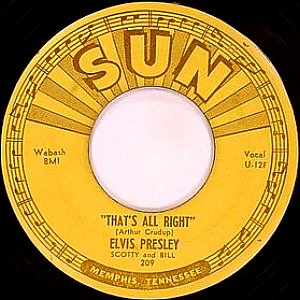
Elvis Presley - That's All Right (Sun Records)
Elvis's first commercial recording, released on Sun Records in 1954 as a 7-inch single. Original copies are extremely rare and sell for $5,000 to $50,000 depending on condition. This is the record that launched rock and roll.
How to Tell If Your Vinyl Records Are Valuable
Step 1: Identify the Pressing
This is the single most important step. Turn the record over and look at the label in the center. Note the:
Record label name and logo design - labels changed their designs over time
Catalog number - printed on the label and often the spine
Matrix/runout numbers - etched into the dead wax near the label (use a flashlight to read them)
The matrix numbers in the dead wax are your best tool for identifying exactly which pressing you have. Websites like Discogs have detailed databases where you can look up matrix numbers to identify your specific pressing.
Step 2: Check the Label Design
Record labels changed their logo designs regularly. For example:
Columbia "six-eye" labels (with six eye-like logos around the edge) indicate early pressings from the late 1950s and early 1960s
Atlantic labels with the red and purple "bullseye" design indicate early pressings
Capitol rainbow-rim labels indicate 1960s pressings
Learning to identify label variations is one of the fastest ways to spot valuable records.
Step 3: Assess the Condition
Vinyl condition is graded using the Goldmine standard:
Mint (M) - perfect, unplayed condition (extremely rare for used records)
Near Mint (NM) - nearly perfect with minimal signs of handling
Very Good Plus (VG+) - light surface marks that may produce minor background noise
Very Good (VG) - noticeable surface wear and consistent background noise
Good (G) - heavy wear, significant noise, but still playable
Both the vinyl and the cover are graded separately. A record in NM condition with a VG+ cover is typically notated as NM/VG+. Condition dramatically affects value - a first pressing in NM condition can be worth 10 times more than the same pressing in VG condition.
Step 4: Check for Completeness
Many valuable records came with inserts, posters, lyric sheets, or other extras. A complete copy with all original inserts is worth significantly more than one without. Check inside the sleeve for anything that might have been tucked in.
Step 5: Research on Discogs
Discogs.com is the most comprehensive database of vinyl records and their market values. You can look up your specific pressing by catalog number or matrix number and see recent sale prices. This gives you a realistic picture of what your record is actually worth in the current market.
Value Factors for Vinyl Records
Pressing and Edition
First pressings are almost always the most valuable. Promotional copies (marked "promo" or "not for sale") and test pressings (limited to a few copies made before the full run) can also command premiums.
Artist and Album Significance
Records by culturally significant artists - particularly from the golden era of rock, blues, jazz, and punk - tend to hold the most value. Debut albums, final albums, and albums associated with pivotal moments in music history are especially collectible.
Condition
Condition is paramount. Collectors are willing to pay steep premiums for records that look and sound clean. Surface scratches, ring wear on the cover, splits in the sleeve, and writing on the label all reduce value.
Rarity and Demand
Some records were pressed in small quantities. Others were recalled, banned, or withdrawn. These create natural scarcity. Combined with high demand from collectors, scarcity drives prices up dramatically.
Cover Art and Variants
Alternate covers, censored versions, and special packaging (gatefold sleeves, die-cut covers, colored vinyl) can all affect value. The Beatles' butcher cover is the most famous example, but many albums have cover variants worth tracking.
Frequently Asked Questions
Are all old vinyl records valuable?
No. Most old records were mass-produced and remain common. Records from the 1960s and 1970s by major artists were pressed in the millions. Only specific pressings, editions, or rare variants carry significant value.
How do I know if my record is a first pressing?
Check the matrix numbers in the dead wax (the smooth area near the center label) and compare them to databases on Discogs. First pressings often have specific matrix codes, label designs, and catalog numbers that distinguish them from later reissues.
Does the cover condition matter?
Yes. Both the vinyl and the cover are graded and affect value. A pristine vinyl in a badly damaged cover is worth less than a complete package in matching condition. Collectors want both to be in the best shape possible.
Are 78 RPM records worth anything?
Some are, particularly early blues, jazz, and country 78s from the 1920s through the 1940s. However, most 78s are common and worth very little. The market for 78s is specialized - consult a dealer who focuses on that era.
What about 8-tracks and cassettes?
The market for 8-tracks and cassettes is much smaller than for vinyl. A few rare titles have value, but in general, vinyl records are where the collector money is.
Should I clean my records before selling?
Light cleaning with a proper record cleaning solution and microfiber cloth is fine. Do not use household cleaners, and do not attempt to buff out scratches. For valuable records, professional ultrasonic cleaning is available and can improve both playback quality and value.
Where is the best place to sell valuable records?
For high-value items, specialized auction houses and established Discogs sellers typically get the best prices. For mid-range records, Discogs and eBay are good options. Local record stores will buy collections but typically pay 30-50% of market value.
Last updated: February 2026
Vinyl Records Value Guides
Vinyl Records Value Guides
Explore More Vinyl Records
















Want to Know What Your Collection Is Worth?
Our AI appraisal tool is coming soon. Upload photos, get instant identification and valuation.
Get Appraisal